
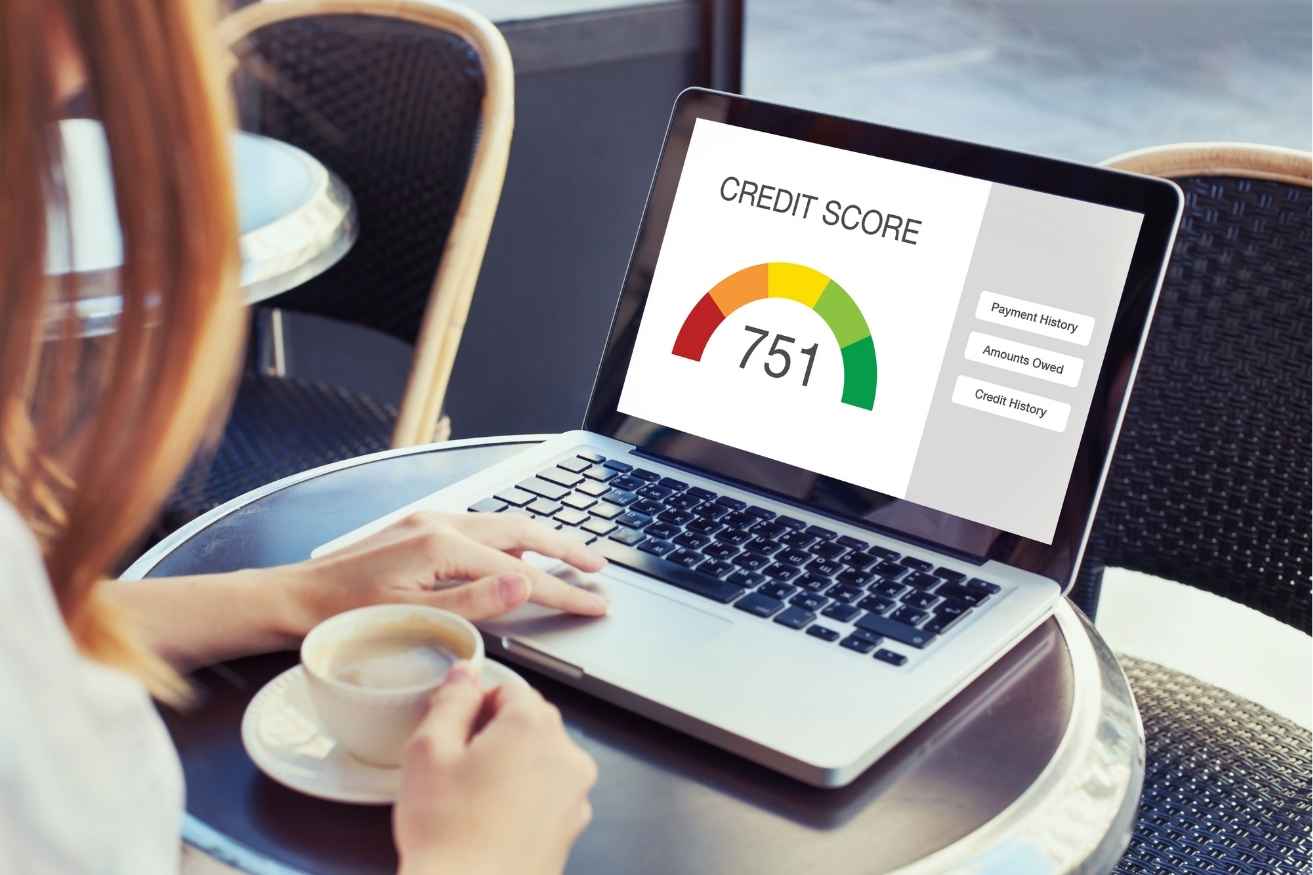
A strong credit score plays a major role in financial opportunities, affecting loan approvals, interest rates, and even housing options. Many people believe improving their credit takes years, but meaningful improvements can happen much faster with the right strategies and consistent habits.
While building excellent credit is a long-term process, boosting your score in a shorter time frame is possible by focusing on the factors that matter most.
Understand What Impacts Your Credit Score the Most
Before making changes, it is important to understand what actually influences your credit score. The biggest factors include payment history, credit utilization, length of credit history, new credit activity, and account mix.
Payment history and credit utilization carry the most weight. This means that paying bills on time and keeping balances low can quickly improve your score. Other factors improve gradually, but focusing on the major ones delivers faster results.
Knowing what matters most helps you prioritize actions that create the biggest impact.
Pay Down Balances to Lower Credit Utilization
Credit utilization refers to how much of your available credit you are using. High balances compared to credit limits can hurt your score even if you pay on time.
Reducing balances below key thresholds can lead to noticeable improvements. Paying down credit cards strategically, especially those close to their limits, can quickly boost your score.
Even small balance reductions can have a positive effect if they significantly improve your utilization ratio.
Never Miss a Payment and Catch Up on Late Accounts
On-time payments are the most important factor in your credit profile. Even one missed payment can cause a significant drop in your score.
Setting up automatic payments or reminders ensures bills are paid on time every month. If you have fallen behind, bringing accounts current as soon as possible stops further damage and allows recovery to begin.
Consistency over a few months can already show improvement in your credit profile.
Check Credit Reports for Errors and Dispute Inaccuracies
Many people carry mistakes on their credit reports that unfairly lower their scores. Errors may include incorrect balances, duplicate accounts, or payments marked late when they were paid on time.
Reviewing your credit reports and disputing inaccuracies can result in quick score improvements once corrections are made. Removing even one incorrect negative mark can significantly boost your score.
This step costs nothing and can produce surprisingly fast results.
Avoid Applying for New Credit Unnecessarily
Each new credit application creates a hard inquiry, which can temporarily lower your score. Opening several new accounts within a short period can slow down your improvement efforts.
While some new credit may be necessary, avoiding unnecessary applications protects your score while you are trying to improve it.
Fewer inquiries signal stability to lenders and support steady score growth.
Keep Old Accounts Open When Possible
The length of your credit history affects your score, and closing old accounts can shorten that history. Even if you no longer use certain cards, keeping them open can help maintain a stronger credit profile.
Older accounts also increase total available credit, which helps improve utilization ratios. Closing them can unintentionally hurt your score.
Maintaining long-standing accounts supports long-term credit strength.
Become an Authorized User on a Well-Managed Account
If possible, being added as an authorized user on a responsible person’s long-standing account can help improve your credit profile. Positive payment history and low balances on that account may reflect on your credit report.
This strategy works best when the primary account holder maintains excellent credit habits. It can provide a boost without requiring new borrowing.
However, it should only be used when both parties understand the responsibility involved.
Use Credit Responsibly Going Forward
Improving credit is not only about fixing past mistakes but also about building positive behavior going forward. Keeping balances low, paying bills on time, and using credit moderately signals financial reliability.
Even after improvements begin, continuing these habits protects your score and prevents future setbacks.
Long-term success depends on consistency, not quick fixes alone.
Final Thoughts
Improving your credit score does not have to take years. By focusing on payment consistency, lowering balances, correcting errors, and avoiding unnecessary credit activity, noticeable progress can happen faster than many people expect.
The key is understanding which actions have the strongest impact and applying them consistently. With discipline and awareness, better credit and stronger financial opportunities can become reality much sooner than you might think.