
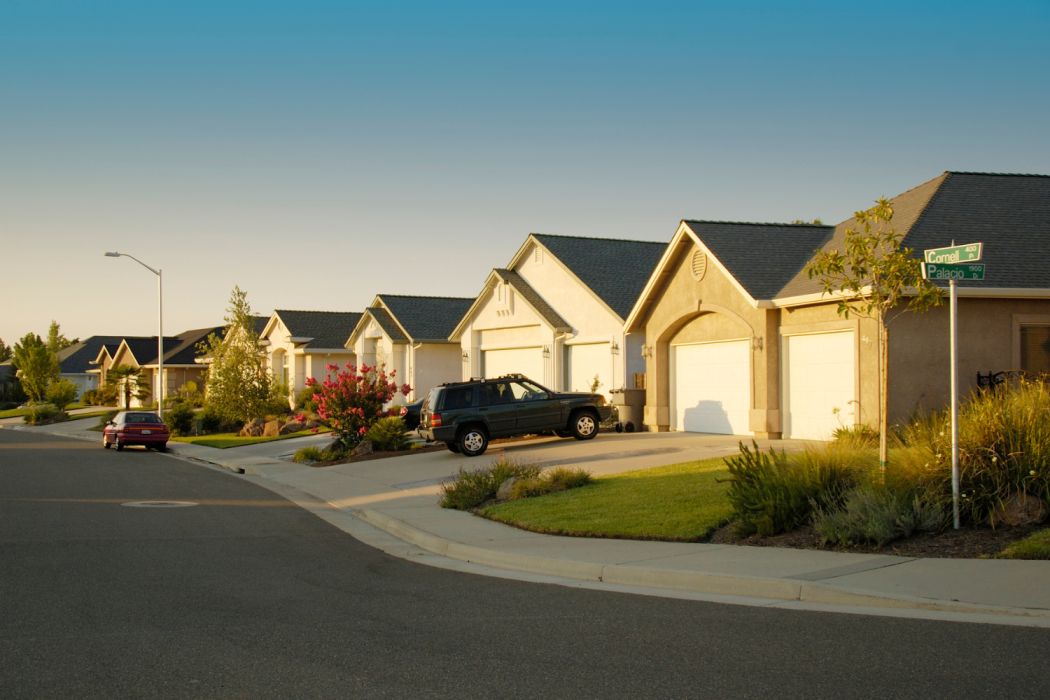
When buying a home, many people focus on the size, design, and price of the property, but the neighborhood can have an even greater impact on your long-term happiness and financial return. A beautiful home in the wrong area can quickly become a frustrating experience, while a modest home in a strong neighborhood can grow significantly in value over time.
Choosing the right neighborhood requires careful research, multiple visits, and a clear understanding of your lifestyle and future plans. This guide walks through the most important factors to consider before making one of the biggest investments of your life.
Understand Your Lifestyle and Daily Needs
Before researching specific locations, it’s important to evaluate how your daily routine and future plans should influence where you live. The right neighborhood should support your lifestyle rather than complicate it.
Consider your work schedule, commuting preferences, and access to essential services. Long commutes can increase stress and transportation costs, while living near your workplace or public transit can improve work-life balance. Also consider how often you shop, dine out, or use recreational facilities, as convenience plays a major role in overall satisfaction.
Think about future changes as well. If you plan to grow your family, start a home-based business, or care for aging relatives, choosing an area with appropriate infrastructure and services can prevent the need for another move in a few years.
Evaluate Safety, Cleanliness, and Community Atmosphere
Safety is one of the most important factors when choosing where to live. Research crime trends, street lighting, traffic patterns, and the overall maintenance of the area. Well-maintained roads, sidewalks, and public spaces often reflect active local management and community pride.
Visiting the neighborhood at different times of day and on weekends provides a more accurate picture of noise levels, parking availability, and social activity. What feels peaceful during daytime may be very different in the evenings.
Pay attention to how residents interact and whether the community feels welcoming and stable. Strong neighborhood connections often lead to safer environments and better long-term property value stability.
Research Schools, Healthcare, and Public Services
Access to quality schools significantly influences property demand and resale value, even for buyers without children. Homes located in strong school districts typically attract more buyers and maintain value better during market downturns.
Healthcare facilities are another critical consideration. Living close to hospitals, clinics, and emergency services improves convenience and peace of mind, especially for families and older residents.
Public services such as garbage collection, road maintenance, and public transportation also affect daily comfort. Areas with reliable public infrastructure tend to offer better long-term living conditions and stronger local development.
Analyze Property Values and Market Trends
Understanding how property values have changed in the neighborhood helps assess whether the area is growing, stable, or declining. Consistent appreciation usually indicates strong demand, good infrastructure, and desirable amenities.
Look for signs of development such as new businesses, renovation projects, and infrastructure upgrades. These can signal future growth and rising home values. However, rapid development may also bring increased traffic, noise, and higher property taxes.
Comparing similar homes in nearby neighborhoods can also help determine whether pricing is fair and whether future appreciation potential exists.
Consider Zoning Laws and Future Development Plans
Local zoning regulations determine what can be built near your home. Reviewing zoning maps and city development plans helps you understand whether future construction may affect your living experience.
Large commercial projects, highways, or industrial zones can impact noise, air quality, and traffic. On the other hand, planned parks, schools, and retail centers can improve convenience and increase property value.
Knowing what is planned for the area helps prevent unpleasant surprises after you move in and supports smarter long-term investment decisions.
Assess Long-Term Livability and Resale Potential
Even if you plan to stay in your home for many years, resale value should still be part of your decision-making process. Life circumstances can change unexpectedly, and selling should not become a financial burden.
Neighborhoods with diverse housing options, strong public services, and good accessibility tend to attract more buyers. Features such as walkability, green spaces, and nearby employment hubs also support long-term demand.
Choosing a neighborhood that appeals to a wide range of future buyers helps protect your investment and provides flexibility if you need to relocate.
Final Thoughts
Choosing the right neighborhood is just as important as choosing the right home. While property features can be upgraded over time, the surrounding environment cannot be changed. Taking the time to research safety, infrastructure, schools, market trends, and future development ensures that your home supports both your lifestyle and financial goals.
A well-chosen neighborhood not only improves daily living but also strengthens long-term property value, making it one of the smartest decisions in the home-buying process.